
How to Protect Your Online Reputation
Your brand reputation drives up to 75% of your company's value — here's how to defend it before a crisis strikes.


- Regularly search your name or brand online to catch and address negative content early.
- Publish high-quality content like articles, videos, and profiles to strengthen your search presence.
- Respond to negative reviews professionally to reduce their impact and show accountability.
- Protect personal and business information online to reduce phishing and privacy risks.
- Consider hiring a reputation management firm if threats exceed your ability to manage them alone.
Protecting your online reputation requires both proactive and reactive strategies, including monitoring search results, publishing positive content, and responding to negative feedback professionally. Your brand reputation accounts for roughly 75% of your company's value, making it a critical business asset to defend. When self-management isn't enough, professional reputation management firms can help fortify your search presence against threats from competitors, trolls, employees, and more.
How to Protect Your Online Reputation
-
1
Think before you post
Carefully consider the content you share on social media or other online platforms before publishing it. Avoid posting inappropriate or offensive material, as it can reflect poorly on your personal or business reputation. Taking a moment to review posts can prevent long-term reputational damage.
-
2
Protect your personal information
Be cautious about what personal information you share online and use privacy settings on social media platforms to limit exposure. Avoid sharing sensitive information with strangers, particularly those who contact you via email, as this may be a phishing attempt. Limiting your digital footprint reduces the risk of your information being used against you.
-
3
Monitor your online presence
Regularly search for your name or business name online to stay aware of what information is publicly available about you. This allows you to identify and address any negative content that may be affecting your reputation before it spreads. Consistent monitoring gives you the opportunity to respond quickly when issues arise.
-
4
Google everyone connected to your business
Search for employees, leadership, affiliates, partners, suppliers, and anyone else publicly tied to your company. Because your corporate reputation can represent up to 75% of your company's value, each individual relationship carries significant reputational risk. Address any negative results appropriately, whether through internal discussions or by publicly disassociating your company from a problematic connection.
-
5
Clean up and monitor social media
Review social media activity from employees and corporate leaders, as people sometimes forget they represent the company when posting publicly. Bad news can travel quickly on social media and cross over into more long-lasting search results. Correct inappropriate behavior swiftly and consider publicly addressing serious misconduct before someone else does.
-
6
Respond to negative comments and reviews
When you receive negative feedback online, evaluate whether a response is appropriate and, if so, reply professionally and respectfully. Proactively seek out complaints on online platforms rather than waiting for them to come to you directly. A thoughtful response can mitigate the impact of negative content and demonstrate that your business takes concerns seriously.
-
7
Fortify search results with positive content
Reputation protection works by reducing the impact of negative content through the creation and promotion of high-quality positive content such as articles, images, social media posts, videos, profiles, and your website. Much of this content can be self-published, while additional coverage can come from relevant publications identified through a gap analysis of your online presence. A strong base of authoritative positive content makes it harder for negative results to dominate your search engine results pages.
-
8
Seek professional help when needed
If managing your online reputation becomes overwhelming or complex, consider engaging a professional reputation management company. Experts can provide proactive strategies, perform in-depth gap analyses, and deploy targeted content campaigns to protect and strengthen your online profile. Professional support can significantly reduce recovery time if a reputation crisis does occur.
There are several things you can do to prevent damage to your online reputation:
-
Think before you post: Think carefully about content before you post on social media or other online platforms. Avoid posting inappropriate or offensive material, as it could reflect poorly on your reputation.
-
Protect your personal information: Be careful about what personal information you share online. Consider using privacy settings on social media platforms and be cautious about sharing sensitive information with strangers, especially those that contacted you via email (phishing).
-
Monitor your online presence: Regularly search for your name online and see what information is available about you. This will allow you to identify and address any negative content that may be affecting your reputation. Get started with these tools.
-
Respond to negative comments or reviews: If you receive negative feedback online, decide if you should respond or not. If a response is merited, try to respond professionally and respectfully. This can help to mitigate the impact of the negative comment and show that you are willing to listen to and address concerns.
-
Seek help if necessary: If you are unable to manage your online reputation on your own, consider seeking help from a professional reputation management company like Reputation X.
If you’re aware of the significant value of your company’s reputation, you might wonder if there are any proactive measures you can do to prevent reputation damage.
There are steps you can take internally to reduce the likelihood of a reputation crisis, but there is no guarantee that you won’t suffer some type of damage at some point, whether from an angry customer, a disgruntled employee, an affiliate, or something related to your operations and policies.
Get a Free Reputation Assessment
Find out what people see when they search for you online. No obligation — results in 24 hours.
Reputation protection provides an online buffer that can minimize the damage from an incident and the time it takes to recover.
Article Sections
- What is reputation protection?
- Why do you need to protect your online reputation?
- How to protect your online reputation
- Online profile defense FAQs
What is reputation protection?
When people Google your business, the search engine results (SERPs) that appear on the first page can influence their decision to connect with your business or not. The SERPs will also determine what information they “walk” away with and what they share with other consumers.
Reputation protection is a way to reduce the impact of negative content by fortifying search results with positive, high-quality content, such as:
- Articles
- Images
- Social media
- Videos
- Profiles
- Your website
Much of the content will be self-published, while some of it will come from relevant publications that your reputation management firm will pitch after performing a gap analysis on your company’s online presence against the presence of similar companies in the same industry.

Why do you need to protect your online reputation?
Your brand reputation accounts for about 75% of your company value. It contributes heavily to your conversion rates and sales.
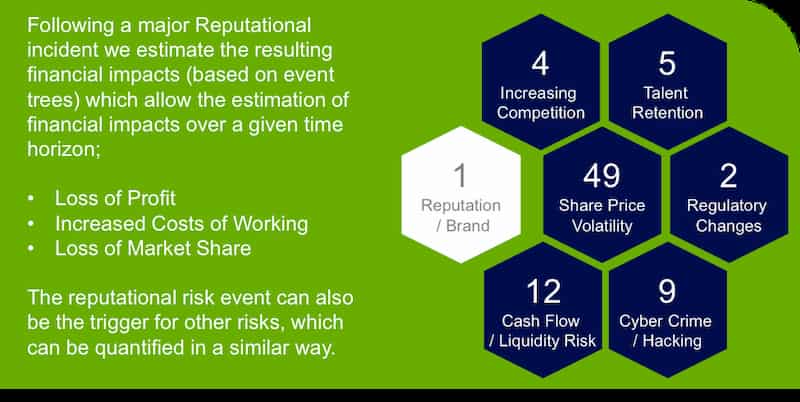
Damage to your reputation can result in:
- Profit loss
- Reduction in market share
- Reduction in share value
- Many secondary effects that reduce the overall value of your company
Credit: Risk Management Monitor
Reputation protection can mitigate risk to your reputation caused by threats like shareholder or social activism, journalism, employees, issues related to corporate social responsibility, and more by reducing the frequency and success of such incidents.
Google has been weaponized by trolls, competitors, bloggers, journalists, consumers, and employees, so corporations must defend their online profiles more than ever. In this new environment, online reputation management (ORM) techniques are vital to creating a proactive search engine profile defense.
How do I protect my online reputation?
Google everyone
If you were already aware of the importance of your corporate reputation, you may have already Googled your company and begun addressing your SERPs (Search Engine Results Pages).
To be proactive in protecting your reputation, go a step further and Google the people who are publicly tied to your company. This includes employees, leadership, affiliates, partners, suppliers, family, and anyone you can think of whose relationship could affect your business if they were to suffer a reputation crisis. Note: Reputation X has an article about “saving the boss’s bacon” that addresses steps that can be taken to reduce reputational risk to executives.
Address any negative results appropriately, whether that requires some internal discussions about internet etiquette or publicly disassociating your company from a partner or employee. Since, as mentioned, your corporate reputation can represent 75% of your company’s value, there is significant risk tied to each individual relationship.
Clean up and monitor social media
One of the types of search results you will come across in your research is social media. Social media platforms are a place where employees – and even corporate leaders – sometimes forget that they represent a company when they post and comment. The good news about social media is that problems tend to be short-term in nature. But the trade-off is that bad news can travel far and very fast, or that negative social media messaging can cross over to more long-lasting search results.
Get as in-depth as time will allow and correct inappropriate social media behavior swiftly. If any serious misconduct is discovered, consider publicly addressing the issue before someone else does.
Address customer concerns on review sites
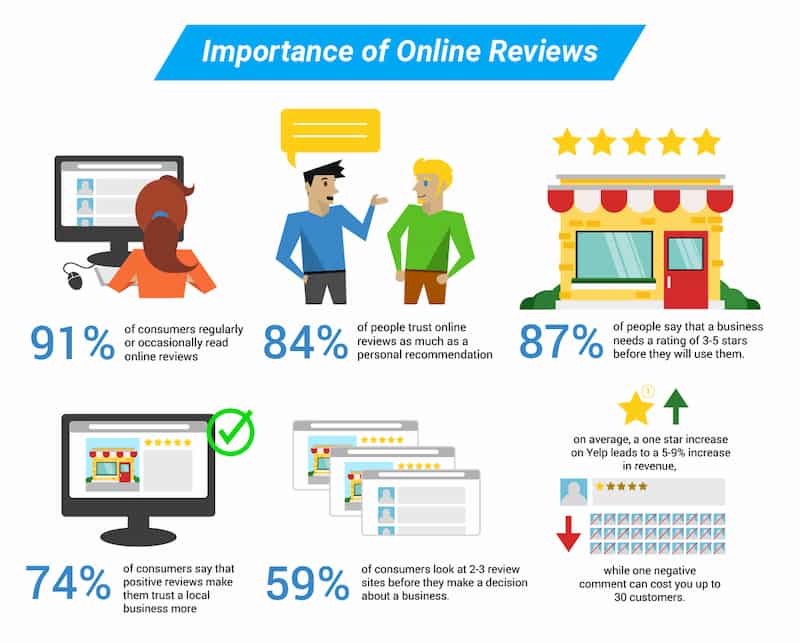
Angry customers are one of the main sources of reputation attacks. It is relatively easy to address customer complaints and concerns when they are sent directly to you or a company representative. However, many damaging complaints are released into the wild of the Internet, so it’s worth the extra effort to seek out complaints on online platforms to address concerns and complaints that are voiced publicly.
If you do not have the time and manpower to execute continuous monitoring of online mentions of your company, consider hiring a reputation management firm to do so. To reduce the number of negative experiences associated with your company, set a focus on providing excellent service and campaigning for reviews.
Campaigning increases your number of positive reviews. Here’s how to start:
- Check any platform on which your company has a profile
- Search for your company name on social media platforms to find posts and comments
- Search Google and other review platforms for product, service, and company reviews
- Check your BBB listing
- Check your executives’ or company’s Wikipedia article, if applicable
- Respond to posts, comments, and reviews about your company, employees, and leaders (this includes comments on your own posts)
- Offer genuine solutions like refunds, replacements, and exemplary service to unhappy customers. Ask them to revisit their review once the issue has been fixed.
Credit: idigmarketing
Be ethical and trustworthy
In the heat of running a business, people can make decisions that, in hindsight, are seen as mistakes. Today’s society is hyperconnected and tribalized. People scrutinize your businesses for your treatment of employees, environmental footprints, and social responsibility. They also judge your company on how your partners and suppliers handle those categories because you have chosen to do business with those companies. When making even the smallest decisions, consider your impact and the way that impact will be perceived by the public.
You also must be ethical and trustworthy in your dealings with partners, suppliers, and customers. Details about soured relationships can and will end up online. Represent your products and services honestly, be respectful in all communications, and follow through on your agreements. If a discussion or a deal is tentative, make that undeniably clear until you are ready to commit.
Misunderstandings mixed with emotion are a recipe for reputational disaster.
Meet your employees’ professional needs
Treating employees well is part of building your reputation as an ethical business, but it’s also how you protect your company from being attacked by disgruntled employees and former employees. Employment sites like GlassDoor rank highly in search results, so keeping your company reviews and ratings on those platforms high is always a good idea. Going above and beyond what is required by law in treating your employees well will help establish your reputation as a good business to work for, which can make all the difference when hiring the best people.
Maintain adequate security.
Cybersecurity issues are a leading cause of reputation damage and the effects are lasting. The security firm FireEye was recently attacked by what it says is a nation-state like Russia. If it can happen to them, it can happen to you. One common result of cyberattacks is doxxing, the release of sensitive information to the public. For example, WikiLeaks.
If you deal with any type of sensitive customer information, ensure that your security measures are strong, up to date, and actively managed. Maintain strict internal security policies with employees and publish your security policies and certifications on your website where customers can easily review them.
Frequently Asked Questions









Protect Your Online Reputation
Every day you wait, negative content gets stronger. Talk to our experts about a custom strategy for your situation.
Get Your Free Analysis