
What Factors Influence Online Reputation?
Your corporate reputation is shaped by forces you may not fully see — here's what actually moves the needle and how to stay ahead of it.


- The first page of Google search results is the single most important factor in shaping brand reputation.
- Reviews on sites like Yelp, TripAdvisor, and the BBB directly influence consumer trust and purchase decisions.
- Wikipedia appears in Google's top five results for roughly 56% of searches, making it a high-priority reputation asset.
- Your Google Knowledge Panel is often the first thing people see — claim it and keep it accurate.
- Social media spreads brand perception quickly but has a shorter shelf life than search results.
Online reputation is shaped by a combination of search engine results, reviews, social media, Wikipedia, and Google Knowledge Panels. Google plays the most influential role, acting as the gateway between a company's true character and public perception. Businesses that actively manage these factors can shape how prospects, customers, and partners perceive them.
Corporate reputation is formed by various factors that shift public opinion over time. These factors include:
- Search engine results
- News coverage
- Social media posts
- Reviews
- Wikipedia
- Other public comments
Reputation work is essential whether you are currently in good standing or have suffered a blow. Protecting corporate reputation is essential to keep up with the pace of modern life, regardless of what may have led to poor public opinion.
Before Google, it was relatively easy to improve your reputation. Companies relied on individuals within their sphere of influence to promote the value of their company via word of mouth, industry groups, and other mostly face-to-face interactions.
Now, Google is the number one factor that can make or break your company’s reputation. Social media is certainly a factor in online reputation and spreads news quickly, but social media tends to have a shorter shelf life than search results do.
What people see when they search for your company’s name — or even just the products or services you sell — will determine whether they choose to do business with you.
In other words, Google now stands between character (truth) and reputation (subjective perception).
- Character is a depiction of your internal characteristics. It’s how you act when no one is watching. You are in full control of your character.
- Reputation, on the other hand, is based on public perception. It reflects how your brand’s actions affect public opinion. Your reputation can change quickly and is sometimes outside of your control.
Your reputation is important. It is a key differentiator between you and your competition, and it is deeply influenced by your search engine results. If you can shape your search engine results, you can begin to shape your company’s reputation.
Gaining full control over search results is difficult and, in many cases, impossible. But there are key factors you can focus on that will improve your search results over time and positively influence your reputation.
Factors that Influence Online Reputation
The things a business does — or does not do — are among the largest factors influencing online reputation. But what happens after that is up to various online platforms, starting with Google.
- Search engine results: The first page of search engine results is critical in forming first impressions of your brand. Anything negative on this page can cause people to lose trust. Search engines include Google, Bing, Yahoo, Amazon, YouTube, and others.
- Reviews and star ratings: What are people saying about you on major review sites like Yelp, TripAdvisor, Amazon, and the Better Business Bureau?
- Social media: The purchase decisions of consumers are heavily shaped by social media posts — with recent data indicating that roughly 68% of consumers follow brands on social media to stay informed about products and services. Keep a watchful eye on comments and posts about your brand. Social media has a shorter shelf life than search, but it still drives perception significantly.
- Wikipedia: Wikipedia is a search engine results powerhouse. According to a Sistrix analysis, it appears in Google’s top five results for approximately 56% of searches and ranks for an enormous range of queries. It is widely trusted as factual information but is frequently a target of vandalism.
- Knowledge panel: The Google Knowledge Panel is part of search results, but it deserves special attention. Google automatically generates this information box, which appears at the very top of the first page of search results. This snapshot is often the first thing people read when researching your brand, so it is important that it contains accurate, positive information.
What Goes Into the Reputation of a Company
Your company’s reputation hinges on the ever-changing opinions of stakeholders, influenced by a variety of factors that shape their image and impact. Understanding these elements is crucial for effectively managing reputation drivers.
- Quality of products and services: Before managing your reputation online, take an honest look inside your company. Address any existing issues with your products or services to ensure you meet or exceed customer expectations.
- Transparency and ethics: Operating with integrity and transparency builds credibility and trust. Companies that uphold ethical practices and communicate openly tend to enjoy stronger reputations.
- Employee satisfaction and relations: Just as dissatisfied customers can taint your online reputation, so can disgruntled employees. Review platforms like Glassdoor frequently rank high in search results, making it important to actively manage your presence there. Employees who feel valued are also more likely to become brand ambassadors, reflecting positively on the business.
- Corporate social responsibility: Companies demonstrating commitment to social and environmental causes can elevate their reputation. Engaging in responsible business practices and giving back to communities resonates with both customers and employees.
- Innovation and adaptability: A reputation for innovation and the ability to adapt to changing market dynamics positions your company as forward-thinking, which positively impacts your online image.
- Review management: Positive online reviews, social media engagement, and accurate platform information all contribute to a favorable reputation. Address negative reviews quickly and thoughtfully. Learn how in this article.
- Thought leadership: Share your knowledge and insights through your own blog, guest posts, and social media engagement to build authority in your field.
Understanding how these factors influence your company’s reputation is essential for effective reputation management. Addressing each driver strategically, maintaining open communication, and actively seeking opportunities for improvement will positively influence how your brand is perceived.
It takes time and consistency. If you continually work on the above reputation drivers, you can nurture a resilient and positive corporate reputation.
Not Sure Where Your Reputation Stands?
Our team can run a comprehensive audit of your online presence and identify the factors putting your reputation at risk.
Google’s Role in Online Reputation
According to recent consumer research, online search engines remain among the most trusted sources when people research a business — consistently outranking social media and traditional advertising.
As Google’s search result pages become more sophisticated, there is less reason to go anywhere else for research. Google is a convenient source of information that stands between a company and the person researching it. It is the largest arbiter of how an organization is perceived over time.
Search features like knowledge graphs, featured snippets, autosuggest, carousels, “People Also Ask” sections, and AI Overviews provide a wealth of information without requiring a single click. All of this creates a powerful first impression of your brand and reshapes the buyer’s journey.
But Google doesn’t provide truth — just relevance. With so many search features competing for attention above the fold, traditional organic results are harder to reach. If the truth is buried below what Google chooses to surface, it may not even matter.
If Google influences your reputation, you must consider the process people follow when they interact with your company online. It boils down to three questions:
- What are they interested in?
- What are they searching for?
- What shows up when they search for it?
Consider a person who wants to buy an air purifier. The first thing they will likely do is Google “best air purifiers.” The search results page will look something like this:

They will see a mix of advertisements, air purifier reviews, and frequently asked questions. After scanning the first page, they will likely open a few tabs and start reading reviews.
They will form opinions on several leading brands based on what they read in those reviews, search results, and autosuggest — and will ultimately choose the brand that best fits their needs. The brand they choose is most often the one with the strongest search profile.
This behavior is so commonplace that consumers don’t think twice about using Google to decide which coffee shop to visit, where to get a haircut, or which air purifier to buy.
Consumers Are Not the Only Stakeholders
Consumers aren’t the only ones basing decisions on Google search results. An investor may search a company’s stock price. A prospective employee may look for salary ranges or employee reviews.
Regardless of the intent behind a search, if the results don’t paint your company in a favorable light, your reputation may be at risk.
How Reviews and Star Ratings Influence Reputation
People seek the opinions of others who have had relationships with your company long before they reach out to you directly. According to BrightLocal’s 2023 Local Consumer Review Survey, 49% of consumers trust online reviews as much as personal recommendations from friends and family.
of consumers trust online reviews as much as personal recommendations from friends and family
BrightLocal 2023 Local Consumer Review Survey
There are also significant financial motivations for monitoring your online reviews:
- Every additional one-star Yelp rating can increase a business’s revenue by up to 9%, according to a widely cited Harvard Business School study.
- Reviews with only 1 or 2 stars failed to convert 86% of prospective customers.
Despite how important reviews and ratings are, a surprising number of companies mismanage them. Neglecting online reviews can lead to lasting damage — people won’t trust your brand and won’t consider you the next time they need what you sell.
How Social Media Influences Reputation
News and information travel quickly on social media. The things people say about your brand can make or break your reputation almost overnight.
Consider United Express Flight 3411 in April 2017, when a passenger was dragged off an overbooked flight. Most people still remember it because of the massive spread of the incident across news and social media. One passenger’s video was shared 87,000 times and viewed 6.8 million times in less than a day.
Today, the incident is permanently recorded on the Wikipedia page for United Express. What started on social media became part of the company’s permanent public record.

The speed at which news travels on social media is reason enough to avoid situations like this in the first place. Keeping a watchful eye on your own accounts and monitoring trending comments can help mitigate reputational crises.
On the other hand, social media can also drive traffic to your own branded content. If your brand consistently creates and promotes high-quality content, you can meaningfully expand your reach.
Here are some of the things you can do to develop a winning social media strategy:
- Develop and manage branded social media profiles
- Understand your target audience by building personas
- Develop a consistent tone and voice for your posts
- Build relationships with key influencers
- Post and share valuable content on a regular basis
- Schedule posts for peak engagement hours
- Monitor conversations taking place on social media platforms
- Amplify positive reviews and testimonials
- Respond quickly to negative reviews and misinformation
How Wikipedia Influences Reputation
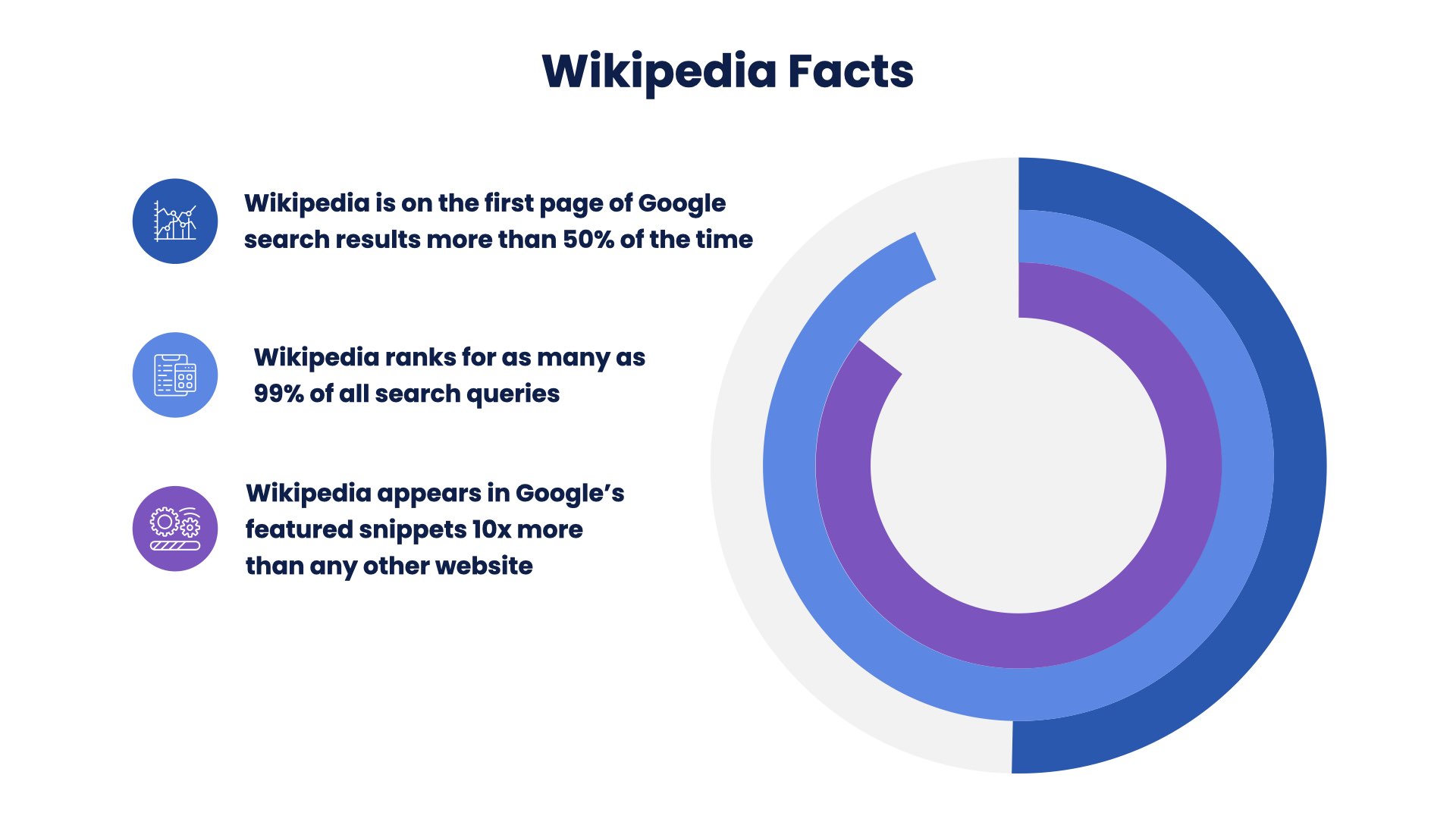
Since Wikipedia is such a dominant force in search engines, it is a significant factor in your reputation. Whatever appears on your Wikipedia page has a strong chance of showing up in your search results, so it is essential to monitor it closely. The crowdsourced information on Wikipedia is widely seen as trustworthy, which means any negative content that appears there poses a serious reputation risk. Learn more in our guide on how Wikipedia shapes online reputation.
Managing Reputational Risk
All of the above factors contribute to your reputation, but additional nuances and risk factors can change how people perceive your company over time.
The most important is that your reputation matches your character. Your character is the foundation of your reputation — it is how you act when you think no one is watching. (Spoiler: someone is always watching.)
No matter how much work you put into managing search results, social media, Wikipedia, and reviews, if your company’s actions don’t match what you say you’re doing, problems will follow.
Research from Ocean Tomo’s Intangible Asset Market Value Study found that intangible assets now account for approximately 90% of S&P 500 market value — encompassing brand equity, intellectual capital, and goodwill. In other words, your reputation is a key driver of your brand’s market value.
If you build a strong reputation based on good company character and manage the key factors discussed in this article — search results, social media, Wikipedia, and reviews — your brand will be better positioned to maintain a positive reputation over time.
Frequently Asked Questions









Protect Your Online Reputation
Every day you wait, negative content gets stronger. Talk to our experts about a custom strategy for your situation.
Get Your Free Analysis