
Reputational Branding ? a Quick Guide to the Basics
Discover the core principles and emerging trends that help businesses build a brand identity customers trust, remember, and stay loyal to.


- Use a tool like Namify to find a brand name with available domain and matching social handles.
- Don't limit yourself to .com domains — consumers have already adapted to alternatives.
- Plan for 5–7 touchpoints per channel, since that's how many impressions it takes to build recall.
- Repurpose existing content across formats using tools like Movavi, Visme, Opus Clip, or Descript.
- Involve your whole team in content creation to improve output volume and internal cohesion.
Reputational branding is a measurable business asset, with data showing that consumers consistently spend more with and remain loyal to brands that share their values. This guide covers three foundational trends: choosing the right brand name, diversifying content across channels, and managing your brand's online presence. Practical tools and strategies are included to help businesses take action on each area.
Having a strong brand is an invaluable asset. Customers trust brands, stay loyal to them through hardships, and bring in more customers through word of mouth. This guide covers the key reputational branding trends shaping how businesses build and protect their brand identity today.
The data backs this up. According to Fundera, a significant share of customers don’t mind spending more money on brands they’re loyal to. The majority of people remain loyal to businesses that understand them, and nearly nine in ten consumers are loyal to brands that share their values.
A large majority of marketers admit that consistent, high-quality branding is the most important element of interacting with customers.
So, what is changing in reputation management and branding? Here are the most important trends to keep in mind.
Choosing a Brand Name Is a Critical First Step
Having a memorable brand name that instills positive associations is fundamental to building a solid identity. Yet finding an available domain name and matching social media handles is increasingly difficult.
According to Domain Tools, there are now more than 160 million .com domains already registered:
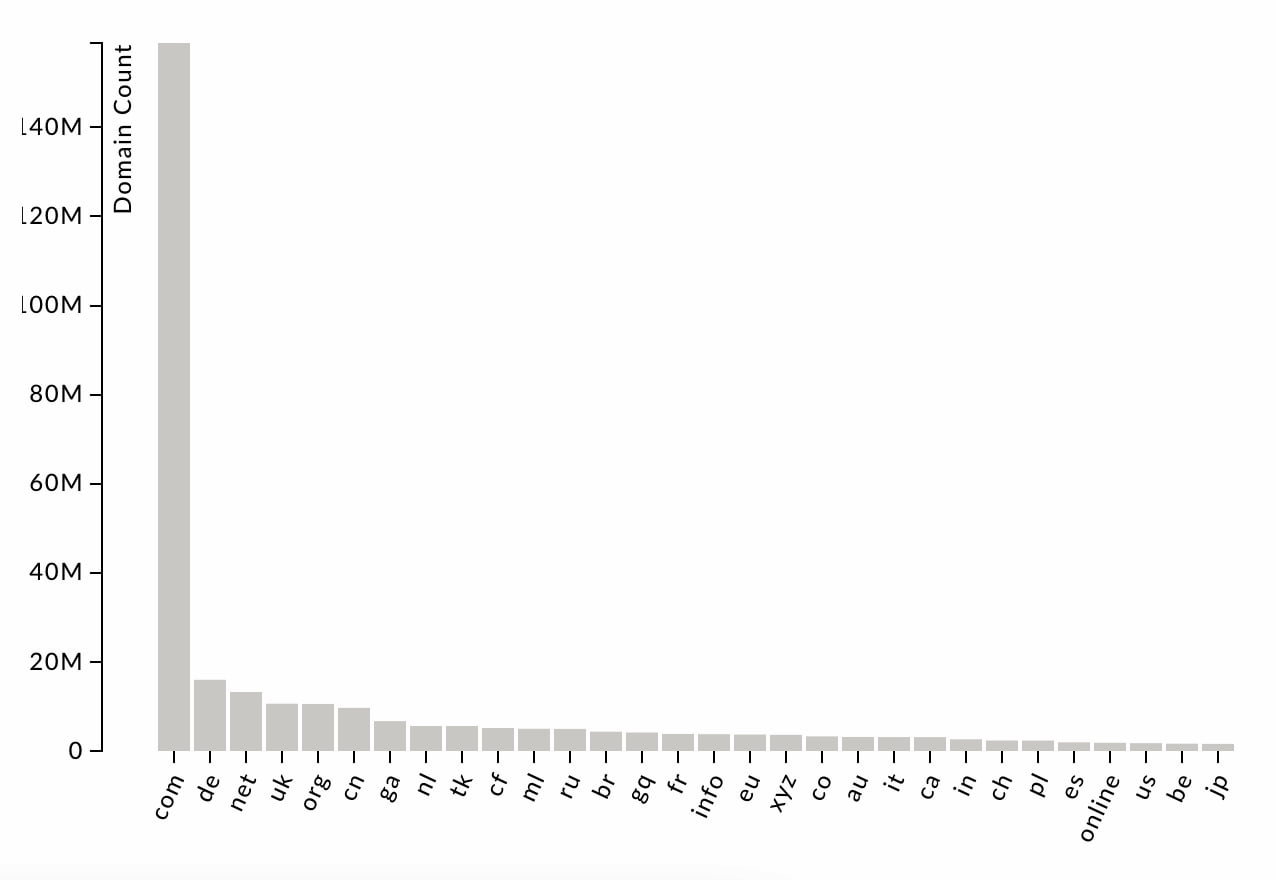
As a result, more businesses are launching on alternative top-level domains. Consumers are adapting quickly, and a non-.com domain will not negatively affect your brand’s visibility.
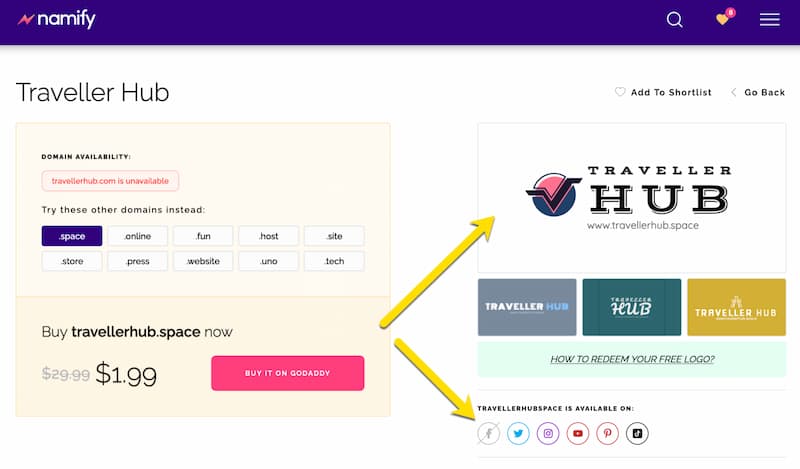
Namify is a well-established tool in the domain registration space. It helps you generate a brand name that reflects your industry and triggers positive associations.
Get a Free Reputation Assessment
Find out what people see when they search for you online. No obligation — results in 24 hours.
The tool also checks major social media account availability and suggests a logo for your chosen name. Namify includes a directory of business names across niches to help spark ideas.
Content Diversification Builds Brand Recognition
The web has given businesses an unprecedented opportunity to get their brands known. It has also created a real challenge: there are too many channels brands are expected to maintain.
The solution is a well-organized content creation and diversification strategy. Owned content is crucial for building a consistent and memorable brand identity.
Research consistently shows that content plays a significant role in shaping buying decisions. Studies suggest the vast majority of consumers are influenced by content they encounter before making a purchase.
It also takes at least 5 — and often 7 — impressions for consumers to remember a brand. Your content needs to reach people multiple times before it sticks.
This means covering multiple channels, many of which support different content formats:
- YouTube — video only
- Pinterest and Instagram — images, videos, Reels, Stories, and Carousels
- LinkedIn — short posts, newsletters, video, and documents
- Medium — long-form written content
You can succeed in cross-channel content marketing by taking two key approaches:
- Include your whole team in content creation. Involve employees in brainstorming, researching, and repurposing content. This keeps staff motivated and strengthens internal communication — most employees report that managing online reviews improves team cohesion.
- Use tools to repurpose existing content. Movavi can turn a text article into a video. Visme lets you create graphs, charts, and infographics. AI-powered tools like Descript and Opus Clip make it faster than ever to repurpose content across formats. All are web-based, require no downloads, and are easy enough to use without expensive training.
Take Control of Your Brand's Online Reputation
Your brand's search results are your digital first impression. Our team helps you shape what people find — before it shapes them.
Google Search Results Shape Your Brand’s First Impression
Google is the most powerful brand awareness driver available. Most buying journeys begin with a search, and many people search for brands rather than typing a domain directly into the browser.
The address bar in both Google Chrome and Safari often functions as a search box. Typing part of a domain and pressing Enter triggers a Google search rather than direct navigation:
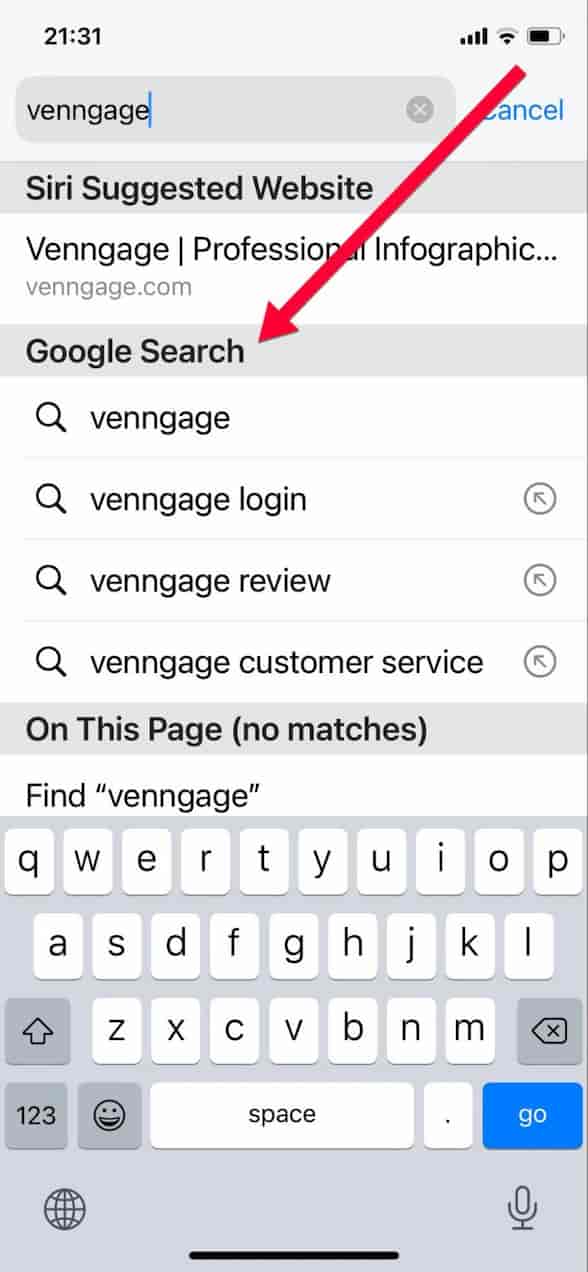
With Google commanding roughly 88–91% of the US search market share, a brand that cannot be found in Google barely exists.
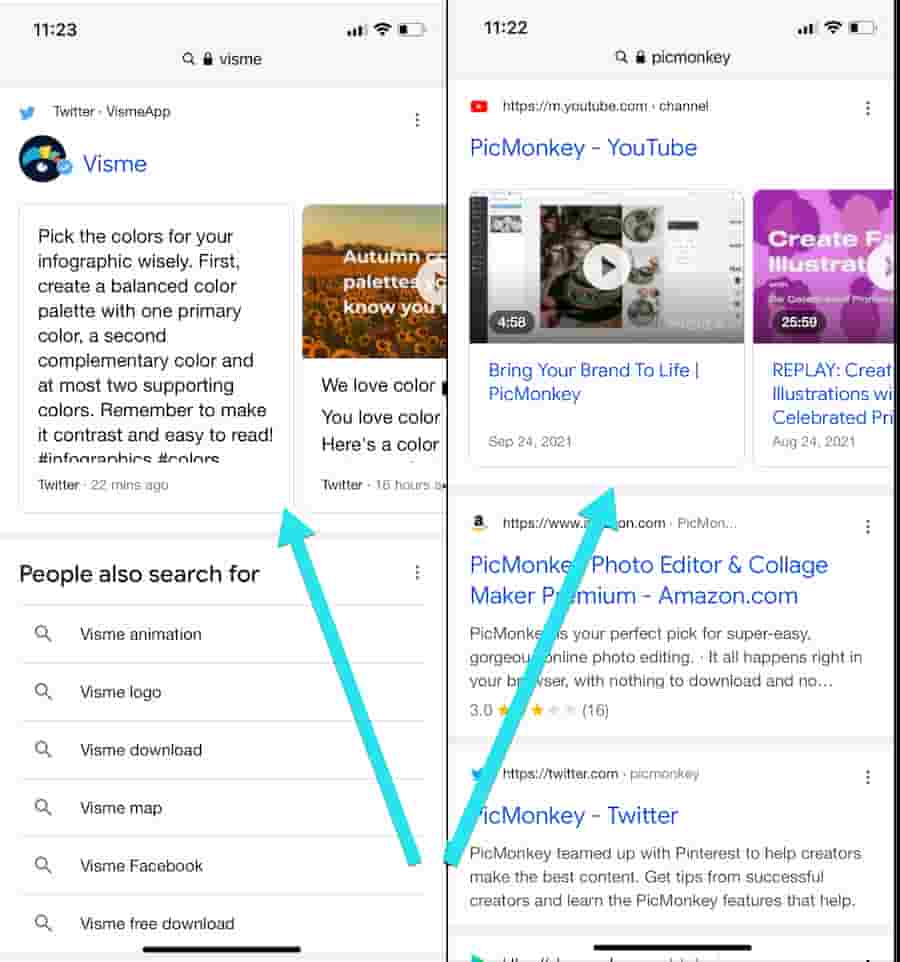
Brand-driven search results — what people see when they search your brand name — are largely outside your direct control. Think of it like a business card you cannot fully edit. These results influence purchasing decisions and shape first impressions within seconds.
Running a regular online reputation audit is one of the best ways to stay on top of what Google surfaces about your business. Creating diverse content also helps your business dominate more of its branded search real estate.
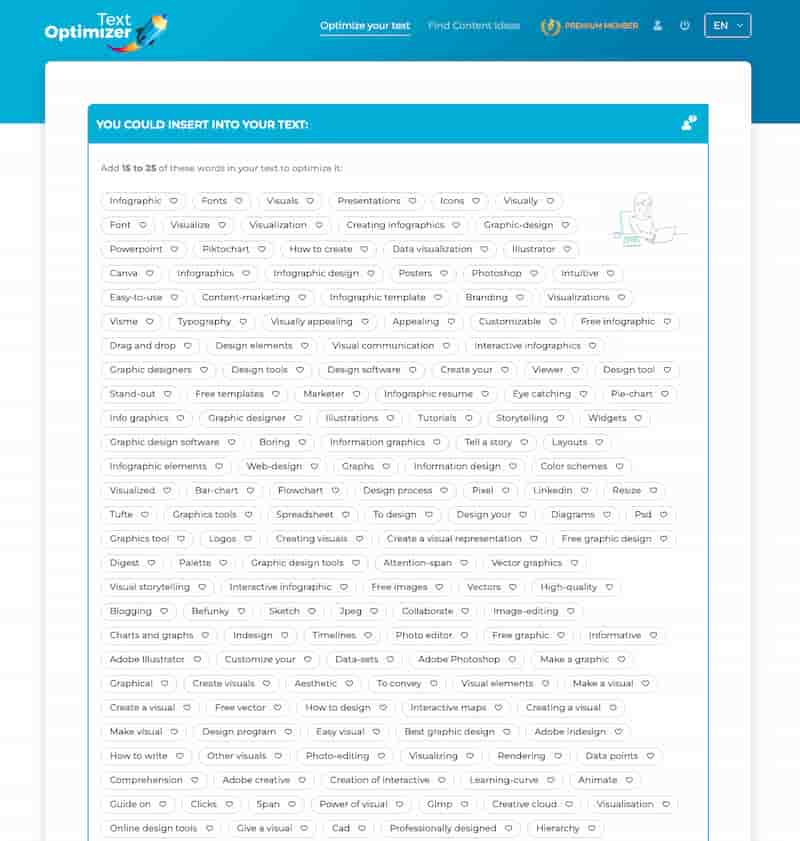
Text Optimizer is a useful tool for analyzing your brand’s organic search context. Enter your brand name to see what Google associates with your business:
Customers Expect Near-Instant Responses
Customer expectations are rising fast. Where a reply from a brand on social media once felt like a pleasant surprise, today’s consumers expect a response within minutes — and often near-instantly.
Awario is a social listening platform that helps you prioritize the brand mentions that need immediate attention. It uses two key metrics:
- Reach — shows how many people may be involved in any public discussion of your brand
- Sentiment analysis — lets you prioritize mentions appearing in a negative context. Understanding how sentiment analysis works helps you respond more strategically.
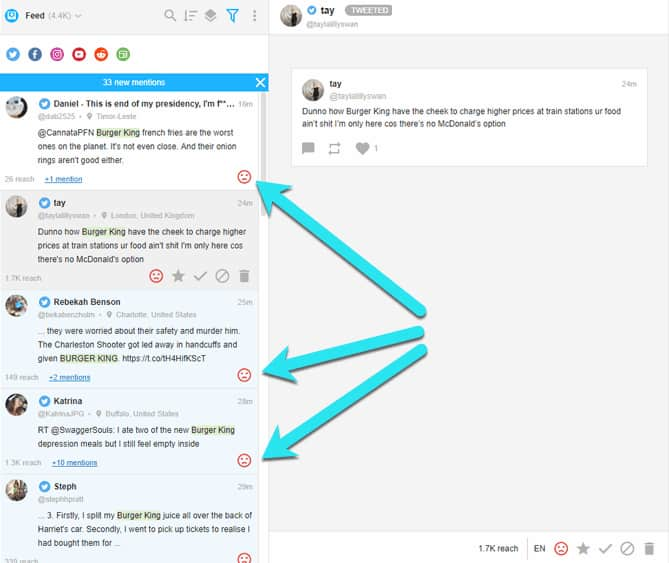
Image source: Awario
Awario’s Starter plan is priced at $29/month (billed monthly) or $24/month (billed annually) — verify the latest pricing at awario.com/pricing.
You can also use Awario to monitor positive mentions and convert them into reviews and testimonials.
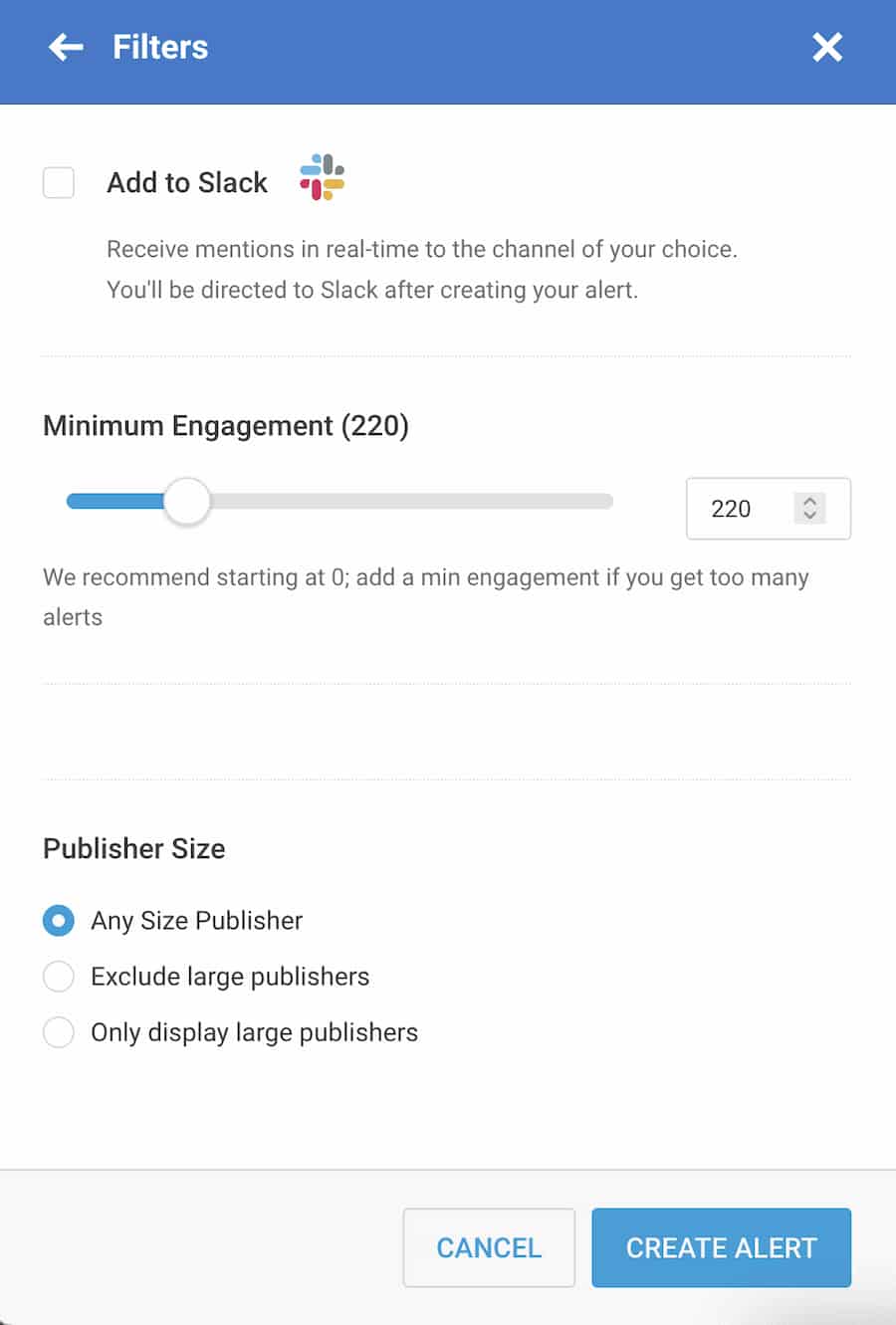
Buzzsumo is another monitoring tool that filters brand mentions by social media traction. It alerts you to web mentions — articles and blog posts — that are generating meaningful engagement. You can set the traction threshold for alerts delivered to your inbox:
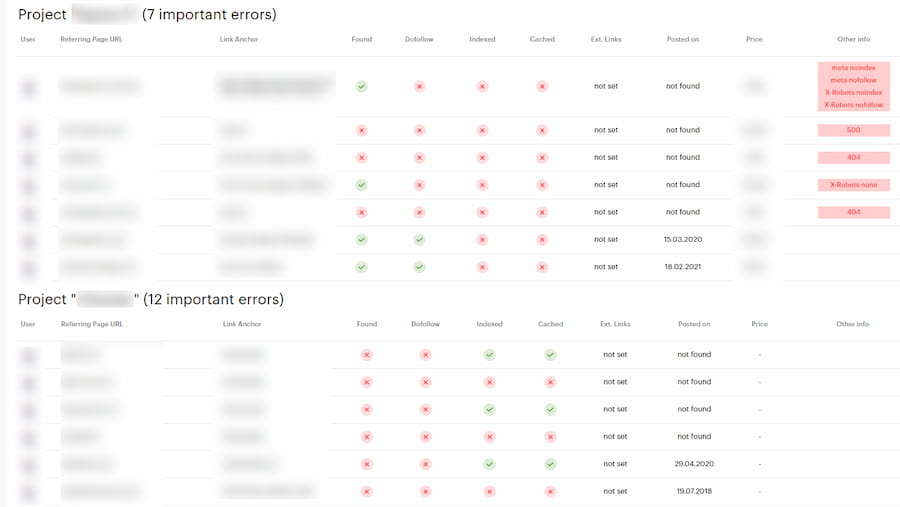
While Buzzsumo monitors new mentions, Link Checker monitors your existing links and alerts you immediately if any are removed:
Privacy and Security Are Non-Negotiable for Brand Trust
Privacy and security scandals have become a recurring threat to brand reputation. Even large, well-resourced companies have struggled to recover from them.
High-profile incidents — from the Facebook Cambridge Analytica scandal to the 23andMe data breach in 2023 and multiple X (formerly Twitter) security events — illustrate how quickly a privacy misstep can damage a brand. Understanding what reputational harm looks like and how fast it escalates is essential for any brand leader.
Most consumers are now acutely aware of cybersecurity risks. To build loyalty and trust, prioritize your customers’ privacy with these steps:
- Keep security protocols, your CMS, and servers up to date. Here is what you can do to make your WordPress site more secure, and here is the Shopify security guide.
- Train employees on cybersecurity threats and identity theft basics. Enforce multi-factor authentication, use a password manager, adopt a zero-trust security approach where possible, and invest in regular phishing awareness training.
- Create a clear, compliant privacy policy. Ensure it meets applicable regulations — including GDPR, CCPA/CPRA, and the growing number of US state privacy laws.
Final Thoughts
Building a strong brand is a never-ending process. It takes brainstorming, coordination, and consistent monitoring. But it is also deeply rewarding — a well-built brand is an asset that can carry your business through traffic dips, economic downturns, and competitive pressure alike.
Frequently Asked Questions









Protect Your Online Reputation
Every day you wait, negative content gets stronger. Talk to our experts about a custom strategy for your situation.
Get Your Free Analysis